Dog Photo Frame: A Graphics & Decorative Elements Review
Opening a client brief always sharpens the eye. Recently, a boutique dog bakery asked me to refresh their visual identity — new packaging, social media templates, and a set of printable loyalty cards. The brand voice was warm, playful, and slightly rustic, with a handcrafted feel. When I first previewed the Dog Photo Frame asset, I immediately saw how it could anchor the decorative direction. The frame carries a gentle, approachable character without tipping into cartoonish territory. It reads as intentional ornament — not an afterthought, but a structural element that can hold a brand mark, a product photo, or a hero message with surprising composure. For a design asset in the Decorative Elements category, that kind of versatility is worth noting early.
The visual mood and who it naturally suits
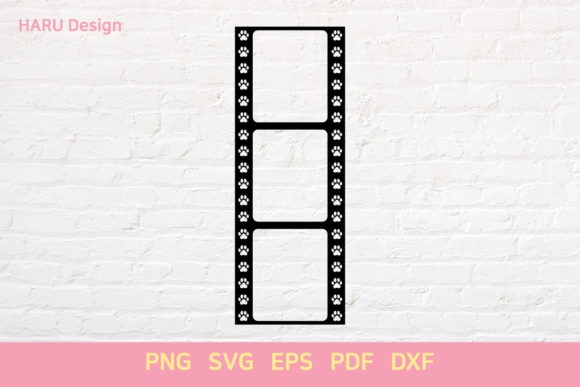
The Dog Photo Frame creates a mood that sits comfortably between whimsical and polished. It does not scream for attention. Instead, it frames content with a soft, thematic presence that feels curated rather than cluttered. The silhouette language is clearly canine-inspired, but the execution keeps it clean enough for commercial Graphics work. This is not a hyper-detailed illustration that overwhelms a layout; it is a decorative border that knows its role.
In terms of client fit, I would confidently place this asset in projects for handmade pet brands, dog groomers, veterinary clinics with friendly branding, pet photographers, rescue organisations, and Etsy sellers building product listings around pet-themed merchandise. The frame leans toward warm, earthy, and approachable brand identities. It pairs beautifully with kraft paper textures, soft pastel palettes, and natural photography. If your client's visual identity uses heavy corporate blues, sterile white backgrounds, or ultra-minimalist Swiss design, this frame may feel like a visitor from a different creative universe — charming, but out of place.
Where the frame delivers its strongest impact
In practical application, the Dog Photo Frame shines brightest in larger layout areas. I tested it on a 12-inch square artboard — matching the native 12in×12in size — and it held the space with confident proportion. This makes it an excellent candidate for printable wall art, where the frame can encircle a heartfelt quote or a pet portrait with equal ease. The square format also translates beautifully to social media graphics, particularly Instagram posts and Pinterest pins, where the frame establishes a visual boundary that keeps the design feeling anchored.
Packaging design is another strong arena. On a product label for dog treats, the frame can wrap around the brand name or a flavour callout, instantly elevating the label from generic to boutique. I also see clear potential for sticker design, where the frame can contain a logo or a small illustration, and for t-shirt graphics, where the decorative border adds interest without overpowering the wearable canvas. For print-on-demand sellers, the asset offers a reliable way to build themed collections — think matching mug designs, tote bag prints, and greeting card sets that share a cohesive decorative language.
Situations that demand more restraint
No design asset works everywhere, and the Dog Photo Frame deserves honest evaluation on this front. At small sizes — think website favicon scale or tiny footer icons — the frame detail compresses quickly. The decorative nuance that reads beautifully at 12 inches becomes a blurry suggestion at half an inch. If you are designing for mobile-first layouts where every pixel carries weight, use the frame as a section divider or a hero element rather than a recurring micro-icon.
Crowded layouts also test the frame's clarity. When placed over busy photographic backgrounds or layered with multiple competing elements, the frame loses its definition. Low-contrast designs — soft beige on cream, for example — can wash out the detail entirely. I would also hesitate to use this asset in professional corporate materials, minimalist branding systems, or any project where the visual hierarchy demands absolute restraint. The frame brings warmth, and warmth can read as casual in the wrong context. Know your client's audience before committing.
How the frame influences brand perception and visual trust
Decorative elements carry an unspoken weight in brand identity work. A poorly chosen border can cheapen an otherwise premium design. The Dog Photo Frame, however, manages to feel intentional. When I placed it around a product mockup for the dog bakery's signature biscuit box, the frame added a sense of care. It signalled that the brand had invested in the details — that the packaging was not just functional, but thoughtfully designed. For small business branding, that emotional cue matters. Customers read decorative choices as indicators of quality, even if they cannot articulate why.
From a visual hierarchy standpoint, the frame performs a useful structural role. It corrals attention toward the centre of the composition. If you place a product photo, a logo, or a call-to-action inside the frame, the eye naturally gravitates there. This containment effect can strengthen brand recognition across repeated touchpoints — social media posts, email headers, and printed materials that share the same framing device build a subtle but consistent visual memory.
File format flexibility and practical workflow notes
The asset bundle includes five formats, and each serves a distinct purpose in a professional design workflow. The SVG file is the true workhorse for vector editing. I opened it in Adobe Illustrator and found the paths clean, scalable, and easy to customise. You can change stroke weights, adjust colours, or isolate individual elements without breaking the design. This is essential for brand identity work where the frame may need to match a specific palette. The EPS file offers similar flexibility and remains the safer choice for older software or print production pipelines that prefer Encapsulated PostScript.
The PNG file deserves special mention for its transparency support. I dropped it onto a textured background and a dark navy canvas, and the edges held cleanly without white halo artefacts. This makes the PNG ideal for quick digital mockups, Canva templates, and social media graphics where you need a ready-to-use layer without vector editing. The PDF file is print-ready and opens reliably across platforms, which is useful for sharing with clients who need to preview the design at full scale. The DXF file speaks directly to Cricut users and crafters — it imports into cutting software with minimal cleanup, making the frame usable for vinyl decals, iron-on transfers, and paper crafting projects.
Typography compatibility across font styles
I tested the Dog Photo Frame alongside several font categories to understand how it behaves with different typographic voices. With a friendly sans serif — something rounded and approachable — the frame felt cohesive and warm, perfect for a handmade brand or a family-focused pet service. Paired with a delicate script font, the frame created an elegant, invitation-like quality that would suit wedding-themed pet accessories or premium product packaging. A handwritten font amplified the crafty, personal feel, ideal for thank-you cards or small-batch labels.
With a serif font, the frame took on a slightly more traditional tone — think editorial design for a pet magazine spread or a framed quote print. Display fonts required more caution. Bold, heavy display typefaces competed with the frame for attention, and the result felt visually noisy. The frame works best when the typography it contains does not fight for dominance. Let the lettering breathe, and the frame will do its job gracefully.
Before you use it commercially — a designer's checklist
Every seasoned designer knows that assets require testing before they earn a place in a paid project. Here is what I recommend checking before using the Dog Photo Frame for client work or commercial products.
- Test in black and white. Remove colour and see if the frame still reads clearly. If it collapses into an indistinct shape, reconsider its placement or scale.
- Check contrast on light and dark backgrounds. The frame may need a colour adjustment or a subtle drop shadow to maintain visibility on dark surfaces.
- Preview at small and large sizes. What looks charming at 12 inches may become illegible at social media thumbnail scale. Scale it down to 200 pixels wide and assess honestly.
- Place it on real mockups. A frame that looks perfect on a blank artboard may feel awkward on a t-shirt, a mug, or a product label. Mock it up in context before presenting to your client.
- Print a test sample. Especially for packaging and printable wall art, run a physical print to check line weight, ink saturation, and overall presence on paper.
- Review the commercial license. Confirm that the license covers your intended use — print-on-demand, digital product resale, or client branding work. This step protects both you and your client.
- Inspect the SVG editability. Open the vector file and verify that paths are intact, colours are adjustable, and the design can be customised without excessive node cleanup.
Who should consider adding this to their creative toolkit
After working through multiple mockups and real-world placement scenarios, I can see the Dog Photo Frame serving a wide range of creative professionals. Digital sellers building Etsy product listings will find it immediately useful for creating cohesive shop visuals. Print-on-demand designers can deploy it across merchandise collections with minimal adaptation. Cricut users and crafters will appreciate the DXF compatibility and the clean cutting paths. Brand designers working with pet-focused clients can use the frame as a recurring decorative motif that strengthens recognition across touchpoints.
Content creators and bloggers in the pet niche will find the PNG format especially useful for blog graphics, Pinterest pins, and Instagram posts — it adds polish without requiring advanced design software. Marketing professionals building seasonal campaigns or promotional materials for pet-related events can use the frame to unify visuals across digital ads and printed flyers. The asset earns its place in a well-organised design library, not as a one-time novelty, but as a reliable decorative element that can be adapted across multiple projects and formats.
The Dog Photo Frame does not try to be the star of the composition. It supports, contains, and elevates the content it surrounds. For the right client, the right brand voice, and the right project, that quiet confidence is exactly what makes a graphic design asset genuinely useful in a working designer's daily practice.