Plant Silhouettes Set. SVG: A Designer’s Embroidery Review
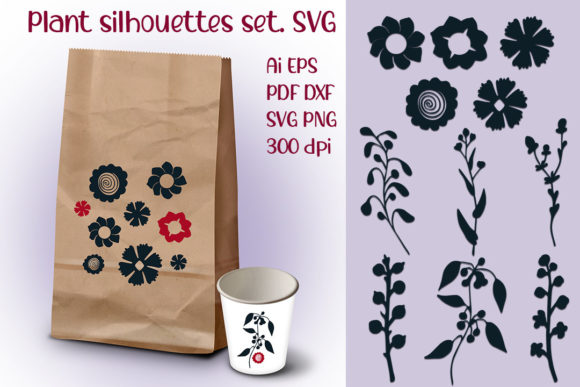
When a graphics set lands on my desk, I don’t just look at the preview. I imagine it under the hum of a needle, on a hoop, stitched into fabric that will touch someone’s skin or hang in their home. The Plant Silhouettes Set. SVG arrived as a collection of 11 digital silhouettes, and from the first glance, it felt like a quiet, confident toolkit for nature-inspired embroidery projects. No frills, no trendy overdesign — just clean botanical shapes that whisper rather than shout. That restraint is exactly what I look for when I’m planning a line of handmade products that need to feel timeless and sellable.
As an embroidery designer who works with small business owners, Etsy sellers, and boutique shops, I need graphics that convert into stitches without losing their soul. The silhouette approach here is smart. By stripping away internal detail, the designs lean on outline and negative space, which translates beautifully into satin stitch, running stitch, or even applique design interpretations. Whether you’re digitizing these for a machine embroidery design or using them as a reference for hand-guided work, the core shapes are strong enough to carry a project.
First Glance: The Mood These Silhouettes Create
Opening the folder, I saw slender stems, uncurling ferns, broad leaves, and gentle botanical clusters. There’s a calm, organic rhythm to the set. None of the shapes feel rigid or overly symmetrical — they have a hand-drawn, slightly wild quality that makes them feel alive. That’s crucial for embroidery. A too-perfect silhouette can look stiff on a sweatshirt or tote bag, but these have just enough movement to feel natural. The Plant Silhouettes Set. SVG leans into a minimalist, earthy aesthetic that would appeal to customers who love modern handmade decor, plant-themed gifts, and sustainable boutiques.
The visual personality is quiet confidence. You can picture these silhouettes on a cream linen pillow cover, a sage green baby onesie, or a charcoal apron. They don’t demand attention; they earn it. That kind of mood is highly marketable right now, especially for craft businesses that focus on wellness, nature, and slow living. As a design asset, this set gives you a cohesive theme without locking you into a single look — you can mix and match the 11 silhouettes to create product families that feel intentional.
Where These Silhouettes Shine in Real Embroidery
I tested a few of the designs by digitizing them into embroidery file formats and running them on medium-weight cotton and linen-blend fabrics. The results were encouraging. Because the silhouettes are essentially outlines with solid fill potential, you have flexibility. For a tote bag design, I used a satin stitch border with a light fill stitch inside, and the fern shape read clearly from across the room. For a sweatshirt embroidery, a simple running stitch outline gave a delicate, line-art feel that looked intentional and modern.
Baby clothes and nursery decor are another natural fit. A tiny leaf silhouette from the set worked beautifully on a soft knit baby blanket when I paired it with a ballpoint needle and a no-show cutaway stabilizer. The scale was easy to adjust — SVG files are vector, so resizing for a 4×4 or 5×7 hoop didn’t introduce any pixelation or jagged edges. That’s a huge advantage for embroidery designers who need to offer multiple size options in their shops.
I also see these silhouettes working well for embroidered patch projects. Stitch a fern on a felt background with a merrowed edge, and you have a premium patch that plant lovers would snap up. For holiday embroidery, a few of the silhouettes reminded me of winter greenery, which could easily become a subtle Christmas gift tag or a tea towel accent. The Plant Silhouettes Set. SVG gives you enough variety to stretch across seasons without feeling repetitive.
A Real Project: Botanical Tote Bags for a Spring Market
Let me walk you through a real scenario. I’m preparing a batch of custom embroidered tote bags for a local craft fair, and I want a cohesive botanical collection. I chose three silhouettes from the set — a cascading vine, a tall stalk with small leaves, and a rounded leaf cluster. Each one will become a focal point on a natural cotton tote. I’ll stitch them in earthy thread colors: olive, terracotta, and a muted gold. The bags will be sold as a handmade product line, priced at a premium because they feel curated.
Before digitizing, I printed the SVGs at actual size and placed them on the bags to check proportion. The silhouettes were bold enough to hold their own on a 15×15 inch tote front, but they didn’t overwhelm the fabric. That balance is hard to find. I then created digital embroidery file versions with a medium stitch density, knowing the cotton canvas would support a slightly heavier stitch without puckering. The test stitch on scrap fabric gave me confidence — the leaves read as elegant, not clunky, and the stems stayed crisp. I can already picture customers picking up the tote, smiling, and asking about the design. That’s the kind of reaction you want for a small shop product.
When to Tread Lightly with These Designs
No design is universal, and the Plant Silhouettes Set. SVG does have moments where you need to slow down. If you’re working with a small hoop — say, 4×4 inches — some of the more intricate silhouettes with thin stems or tiny leaf clusters might become too delicate. A running stitch outline on a 2-inch tall design could look fragile, and a satin stitch might blob. In those cases, pick the bolder silhouettes from the set or simplify the digitizing by removing the finest details. On textured fabrics like terry cloth or heavily napped fleece, the silhouette outlines can lose their crispness, so I’d stick to flat, medium-weight wovens for the cleanest result.
Stretchy fabrics require extra care. If you’re embroidering on a t-shirt or baby onesie, use a good cutaway stabilizer and consider a light fill stitch rather than a dense satin border to maintain the silhouette’s shape without distorting the knit. Dark fabrics pose a contrast challenge: a dark olive thread on a black tote won’t pop. Test your thread colors on a fabric swatch and, if needed, switch to a brighter tone or add a subtle outline in a contrasting color to make the silhouette visible. Also, be mindful of curved surfaces like caps or hat brims — the elongated stems in some designs might need to be shortened or repositioned to fit the embroidery field without bending awkwardly.
How the Silhouettes Affect Your Finished Product
When a customer picks up a personalized gift like an embroidered pillow cover or a kitchen towel with a plant silhouette, they’re not just buying a product — they’re buying a feeling. The Plant Silhouettes Set. SVG helps create that feeling by delivering a clean, recognizable shape that communicates care and thoughtfulness. A well-stitched botanical silhouette on a handmade item raises the perceived value instantly. It tells the buyer this isn’t mass-produced; it’s a curated piece.
For Etsy seller listings, these silhouettes can be the anchor of your product photography. Even before you stitch, you can use the SVGs in printable mockup templates to show customers what the finished embroidery will look like on a tote, sweatshirt, or baby blanket. That consistency between mockup and actual product builds trust and reduces returns. The silhouettes also work as design assets for branding — you could use the same leaf on your packaging, your shop banner, and your thank-you cards, creating a visual thread that ties your whole craft business together.
Practical Designer Notes for Embroidery Success
Before you commit to a full production run, run through these checks. I do this with every new graphic set I use for embroidery, and the Plant Silhouettes Set. SVG is no exception.
- Test on scrap fabric first. Even the cleanest SVG can behave unexpectedly when stitches start piling up. Run a sample on the exact fabric-blend you plan to sell.
- Check thread color contrast. Hold the thread spool against the fabric in natural light. A silhouette that looks great on screen might wash out in real life.
- Review stitch density. For a silhouette that’s mostly outline, a density of 0.4–0.5mm in satin is often enough. Too dense and you’ll get puckering; too light and the shape disappears.
- Confirm hoop size. Measure the longest dimension of the digitized design and make sure it fits comfortably in your hoop with at least half an inch of clearance on all sides.
- Inspect small details. Zoom in on the SVG. Thin stems narrower than 1mm in the original will likely need to be thickened in digitizing to stitch reliably.
- Test in black and white mockups. Convert the design to grayscale and place it on a photo of your product. If the silhouette still reads clearly, you’re in good shape.
- Compare light and dark fabric backgrounds. A silhouette that works on natural linen might disappear on a heathered charcoal sweatshirt. Adjust thread color accordingly.
- Use proper stabilizer. For woven fabrics, a medium-weight tear-away is often fine. For knits, go with a cutaway to prevent distortion over time.
- Check licensing. The product description suggests the Plant Silhouettes Set. SVG is intended for use on physical products like sublimation and cutting, but always verify if commercial embroidery use is allowed when you sell the finished items. If you plan to resell the digitized embroidery files, that’s a separate license tier — contact the creator to confirm.
Making the Plant Silhouettes Set Work for Your Business
If you’re a commercial embroidery shop or a solo maker building a brand, this set gives you a versatile foundation. The 11 silhouettes can be combined into sets — a “woodland trio” on a tea towel, a “fern duo” on a pair of napkins — or used individually to create a signature product. I’ve already planned a few holiday embroidery gifts using the more wintery silhouettes, and I’m considering a line of baby embroidery onesies with a single delicate leaf on the chest. The Plant Silhouettes Set. SVG might look simple at first, but that simplicity is its strength. It doesn’t compete with your brand; it supports it.
For Digital product sellers, these SVGs can serve as the starting point for embroidery digitizing templates, clipart bundles, or even as part of a larger printable mockup kit. The vector format means you can embed them into product previews without quality loss, which is a time-saver. I’ve used similar sets to create listing images that show exactly how the embroidery will sit on a tote bag or cap, and customers appreciate the transparency.
In the end, the Plant Silhouettes Set. SVG earns its place in my toolbox. It’s not flashy, but it’s dependable. It translates well across fabrics, project types, and product categories. If you’re building a craft business that values clean, nature-inspired design, this set will likely become a go-to resource. Just remember to test, tweak, and treat each silhouette as a collaborator — not a finished piece — and you’ll create finished product that feels both personal and professional.