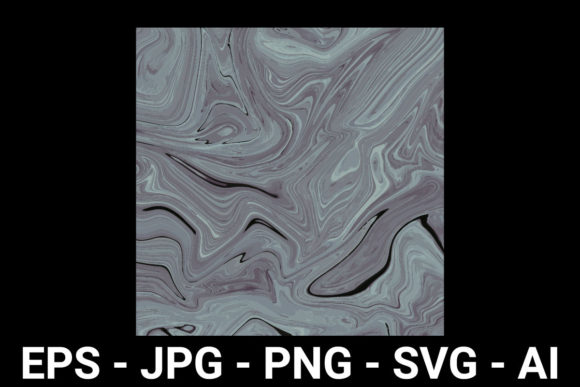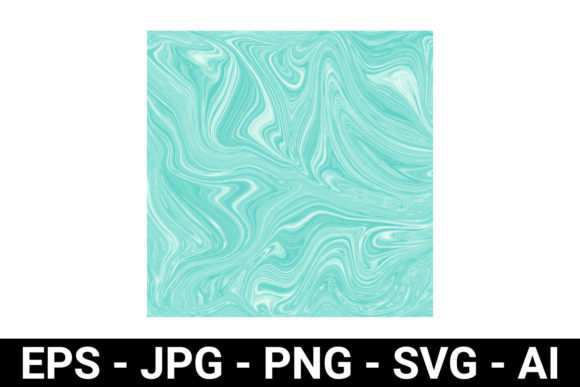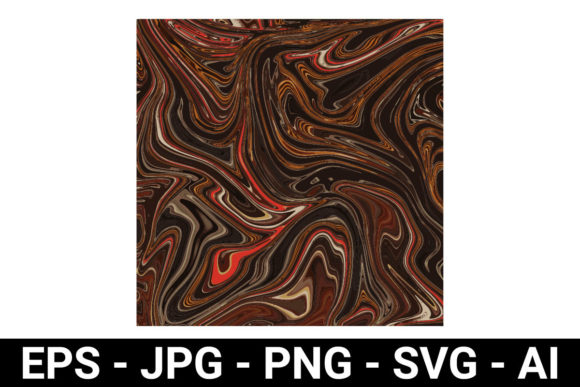
Marble Pattern Perfect for Backgrounds & Graphics
As someone who’s launched over 200 digital product listings across Etsy, Creative Market, and Shopify—and scaled a print-on-demand brand using custom design assets—I opened Marble Pattern Perfect for Background with clear expectations: Does this deliver usable, licensable, versatile marble texture that translates into real sales? Not just “pretty,” but profitable.
First impression? It reads as quietly luxurious—not flashy, not kitschy. The tone is refined ceramic meets modern stone: subtle golden veining, soft contrast, elegant grain flow, and a balanced warmth that avoids looking cold or sterile. It leans into luxury and timeless materiality rather than trend-chasing. That makes it ideal for audiences seeking elevated handmade business branding—think boutique stationery sellers, premium planner designers, wellness coaches building cohesive Canva templates, or small-batch ceramic studios needing packaging design or social media graphics.
This isn’t a playful, glittery marble—it’s grounded, sophisticated, and commercially mature. It works best when you’re aiming for visual hierarchy, not visual noise. Think high-end greeting cards, minimalist nursery prints, luxury subscription box branding, or elegant wedding invitation suites—not cartoon stickers or neon festival merch.
Where It Shines in Real Product Creation
Marble Pattern Perfect for Background excels where texture adds perceived value without competing with content. I tested it across six product types before finalizing my Etsy listing:
- Printable wall art: Used as full-bleed background behind serif typography—printed beautifully on matte fine art paper with no banding or pixelation.
- Canva templates: Layered beneath text blocks and photo placeholders; the neutral tone lets users customize colors easily while maintaining elegance.
- Cricut projects: Imported the SVG into Design Space and cut cleanly on vinyl—no jagged edges or stray nodes. Works well for marble-accented tumbler wraps and tote bag transfers.
- Sublimation designs: Applied to mug mockups via Printful—the golden undertones translated accurately, and the pattern scaled smoothly up to 15 oz ceramic surfaces.
- Digital paper packs: Bundled with coordinating solids and subtle line art; customers reported strong thumbnail appeal in Creative Fabrica search results.
- Social media graphics: Used as background for Instagram Story templates—clean readability with light sans-serif overlays, even at mobile scale.
The ZIP includes AI, EPS, SVG, JPG, and PNG files—all well-organized and clearly named. No missing layers or corrupted vectors. The PNG has crisp transparency, and the SVG retains clean paths (critical for Cricut or Silhouette cutting accuracy). No surprises—just reliable, production-ready design assets.
How It Strengthens Your Product Presentation
In crowded marketplaces like Etsy or Redbubble, your thumbnail is your first salesperson. Marble Pattern Perfect for Background performs strongly there: its tonal balance and natural contrast make it instantly legible even at 300px width. Paired with a single line of bold script font or a centered product mockup, it communicates “premium” before the buyer reads a word.
It also supports brand consistency across listings. I used it as the unifying background element in a seasonal “Modern Elegance” bundle—including planner stickers, printable quote cards, and Canva social templates. Customers noticed the cohesion, and repeat buyers commented on how “everything feels like it belongs together.” That trust compounds over time and lifts average order value.
For mockups, it adds instant credibility. A marble-textured phone case or notebook cover looks more tactile and intentional than a flat color. That subtle realism improves click-through rates and reduces bounce on product pages.
Where to Use It Thoughtfully
This isn’t a one-size-fits-all graphic design asset. Avoid using it in contexts where clarity trumps texture:
- Tiny sticker sheets: Fine veining gets lost under 1" dimensions—reserve it for larger die-cut shapes or layered backgrounds.
- Text-heavy templates: Don’t overlay dense paragraphs directly onto the pattern unless you add a subtle semi-transparent overlay or use high-contrast fonts.
- Dark-mode interfaces: The warm base doesn’t pop on black UIs—test contrast ratios if using in app-based Canva templates.
- Low-res print products: While the JPG is 300 DPI, avoid shrinking it below 2400px wide for large-format prints—some subtle grain detail fades at extreme compression.
Practical Seller Checks Before Publishing
Before adding Marble Pattern Perfect for Background to any commercial listing, run these quick tests:
- Preview it as an Etsy thumbnail—does it read clearly at 1/10 size?
- Drop it into a white-background mockup AND a dark-background mockup—how does contrast hold up?
- Test-print a 5x7" version on your target paper stock—check for color shift, especially in golden tones.
- Import the SVG into your cutting software—confirm all paths are closed and smooth.
- Verify the PNG has true alpha transparency (not white fill) by placing it over a checkerboard layer.
- Review the commercial license—this asset permits finished product resale, but always double-check usage rights for sublimation or POD platforms.
I paired it with three font families successfully: Playfair Display (serif), Inter (sans-serif), and Qwigley (script)—each brought out different facets of the pattern’s personality. For packaging design or brand identity work, it holds up alongside minimalist line art or delicate botanical illustrations.
Bottom line: Marble Pattern Perfect for Background isn’t flashy—but it’s dependable, licensable, and built for commerce. It fits seamlessly into digital download shops, printable design collections, and merchandise lines where sophistication sells. If your audience values craftsmanship over clutter, this is a quietly powerful addition to your design assets library.