Eid Mubarak Islamic Greeting Background: Graphics & Crafts Review
First Impressions of a Warm, Inviting Greeting Design
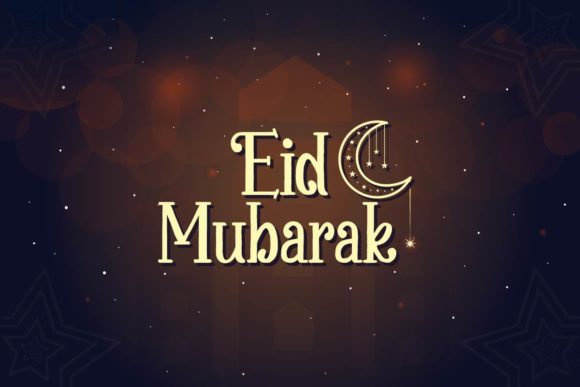
When I first opened the Eid Mubarak Islamic Greeting Background file, I immediately saw a design that blends tradition with modern editorial polish. The decorative lantern sits at the heart of the composition, surrounded by soft geometric patterns and subtle festive accents. It feels intentional, not overly busy, and that matters a lot when you think about how a background will carry a headline or a call to action. As a blog designer and digital publisher, I look for graphics that don’t fight the message — they support it. This one delivers a calm, celebratory mood that could easily fit a lifestyle blog, a faith-based publication, an online educator’s Ramadan resource guide, or a small business owner’s Eid promotion.
How This Graphic Supports Editorial Content and Reader Trust
Visual hierarchy is everything in content publishing. A background that screams for attention often steals it from the article title, the author name, or the subscribe button. The Eid Mubarak Islamic Greeting Background strikes a careful balance. The lantern becomes a natural focal point without overpowering text, and the surrounding ornamentation creates a frame that can guide the eye. For a newsletter banner or a blog featured image, this kind of editorial design asset helps build reader trust — it signals that the publisher pays attention to detail, that the content is thoughtfully prepared, and that the visual identity is consistent. When I tested it inside a mock blog layout, the graphic lifted the page instantly, making the whole site feel more polished and seasonal.
Practical Ways to Use the Eid Mubarak Background in Real Publishing
I’ve been building digital content for years, and the best graphic design asset is one that works across multiple channels without forcing you to redesign everything. Here’s where this background fits naturally into a content workflow:
- Blog featured images — layer a headline and a subtle overlay for an instant article thumbnail.
- Pinterest pins — the vertical orientation of the design works beautifully for pin creation, and the festive mood gets strong seasonal engagement.
- Newsletter headers — use the JPG or PNG version to give your Ramadan or Eid newsletter a professional, branded look.
- Digital guides and lead magnets — place the background behind a cover page for a downloadable recipe book, a daily reflection journal, or a Ramadan planner.
- Social media graphics — the SVG and EPS files let you scale the lantern and patterns for Instagram stories, Facebook event covers, or TikTok slides.
- Website banners — a subtle hero image with this background can immediately signal a seasonal update without a full site redesign.
- Affiliate content visuals — if you promote Eid gifts, decor, or modest fashion, this background adds a cohesive, trustworthy backdrop to product roundups.
The Visual Mood: Traditional, Festive, and Highly Decorative
This isn’t a minimalist, corporate background. It leans decorative and artistic, with a clear celebration theme. The lantern motif gives it a timeless feel, while the layered vector shapes keep it modern enough for a clean website. For publishers in the Crafts and Graphics niche — especially those selling digital downloads, printables, or Canva templates — this asset fits right in. It carries a feminine, warm, and slightly ornate energy that would work well for a DIY blogger, a party planner, or a creative entrepreneur who designs Eid cards and stationery.
File Formats and Their Role in Web and Print Projects
The download includes four files: EPS, SVG, JPG, and PNG. That variety is a practical advantage. I use the SVG for any web-based blog graphics or web design work because it scales cleanly without losing quality. The EPS file is a must for anyone who wants to customise colours, remove elements, or adapt the design in Adobe Illustrator — perfect for creating a Canva template or a printable design. The JPG and PNG give me ready-to-use options: the PNG with transparency is ideal for layering over a solid colour in a newsletter, while the JPG is lightweight enough for fast-loading blog posts. For a digital product seller, this bundle is a thoughtful starting point.
Where This Design Shines — and Where It Might Struggle
I always test a design asset in multiple real-world scenarios. This background shines in:
- Hero images and article thumbnails where the lantern can sit to the left or right of the headline.
- Pinterest pins and social media graphics — the rich colours and ornamentation catch the eye in a feed.
- Category visuals for a blog’s Eid or Ramadan section.
- Downloadable resources like a digital guide or a lead magnet cover.
It should be used more carefully in:
- Small mobile thumbnails — the intricate details may become muddy on very small screens.
- Text-heavy blog images — if you need to place a long headline directly over the lantern, legibility can drop.
- Low-contrast backgrounds — the design’s lighter areas might wash out on a white website with no border.
- Corporate or serious professional niches — a law firm or a medical journal would feel jarring with this level of ornamentation.
Publishing Performance and Visual Identity
From a content marketing perspective, the right creative design asset can lift click-through rates, reduce bounce, and strengthen brand identity. When a reader lands on a blog post with a cohesive, seasonal image, they subconsciously associate the site with quality. This Eid Mubarak Islamic Greeting Background does exactly that — it creates a consistent, polished look across multiple content pieces. I’ve used similar assets to build a visual system for a whole category: every post in the Ramadan series got the same lantern treatment, and readers started recognising the series instantly. That’s the power of a well-chosen graphic.
Designer Tips for Testing and Customizing the Asset
Before you publish, I recommend a few quick checks that I always run on any graphic design asset:
- Test on desktop and mobile screens — what looks airy on a 27-inch monitor might feel cramped on a phone. Resize and check.
- Preview as a thumbnail — shrink the image to 150×150 pixels and see if the lantern remains recognisable. If it turns into a blob, you might need to crop or simplify.
- Place it inside a real blog layout — add a dummy headline, an author byline, and a category tag. Does the text sit comfortably? Does the background distract?
- Check contrast and readability — overlay white, black, and coloured text samples. If the lantern pattern fights the lettering, add a subtle translucent overlay.
- Try it in black and white — this helps you see if the design relies too heavily on colour. If the structure still holds, it’s a robust graphic.
- Pair with different fonts — test beside a serif font for a classic editorial feel, a sans serif for modern blogs, a script font for an elegant invitation, and a handwritten font for a playful, personal touch. The background’s ornamentation tends to complement serif and script pairings especially well.
- Review file size — the JPG and PNG should be compressed for web performance. Large images slow down a site, which hurts SEO and reader experience.
- Confirm commercial licensing — before using the asset on a monetized blog, an affiliate page, or a paid digital product, always check the commercial license terms. This protects your business and keeps your content legally safe.
Matching the Asset to Your Content Niche
This background naturally supports a lifestyle-focused and seasonal content niche. I could see it working beautifully on a food blog sharing Eid recipes, an online educator creating a Ramadan workshop series, or a modest fashion brand releasing a holiday lookbook. For a small business branding project, the EPS and SVG files can be recoloured to match an existing palette, making the design feel custom without starting from scratch. It’s the kind of digital download that creative marketplace sellers often bundle with Canva templates, planner covers, or greeting card designs.
Final Thoughts from a Publisher’s Perspective
Every time I add a new design asset to my toolkit, I ask one question: will this make my content look more put-together and more clickable? The Eid Mubarak Islamic Greeting Background passes that test. It’s decorative without being chaotic, festive without being childish, and versatile enough to span blog headers, editorial design projects, and social media graphics. Whether you’re a blogger building a seasonal content calendar, a digital publisher creating a lead magnet, or a small business owner refreshing your website header, this graphic offers a warm, professional foundation. And with four file formats included, you have the flexibility to adapt it across print and screen without missing a beat.