Block Seamless Pattern: A Designer's Embroidery Review
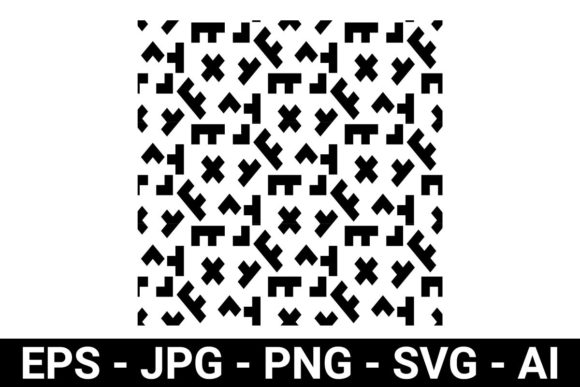
When I first opened the Block Seamless Pattern for Background file, I felt an immediate sense of structure mixed with playful energy. The geometric shapes lock together in a way that feels both orderly and spontaneous. It has that Memphis vibe without being chaotic, and the symmetric yet abstract arrangement gives it a modern, stylish presence that would catch the eye on a finished product. As someone who reviews designs before they ever touch a needle and thread, I look for the visual weight, the negative space, and how the ornament-like details might translate when stitched. This pattern has a trendy, deco personality that feels current without being a fleeting fad. The repeat is seamless, which means the eye travels across the surface without hitting an awkward break. That is a big deal when you are planning a product that needs to look polished from edge to edge.
The Block Seamless Pattern for Background arrives in a ZIP folder with AI, EPS, SVG, JPG, and PNG formats. Right away, that tells me this is a vector-based design asset built for versatility. If you are an embroidery designer, you know that having a clean SVG or EPS file can save hours of cleanup work before digitizing. The geometrical shapes are crisp, and the lines are deliberate. I opened the SVG first, and the scalability was exactly what I hoped for. No jagged edges, no broken paths. For anyone who has ever tried to pull a low-resolution JPG into embroidery software and ended up with a muddy mess, you will appreciate having vector source files in the folder.
What This Pattern Brings to an Embroidery Project
The mood of Block Seamless Pattern for Background sits somewhere between modern boutique branding and playful handmade charm. The geometrical elements have a symmetric rhythm, but the abstract shapes keep it from feeling rigid or overly corporate. When I imagine this stitched onto a product, I see it working beautifully as an all-over fill stitch texture or a carefully placed decorative panel. The repeat nature means you could scale the pattern to fit a large hoop and let it flow across a tote bag, or you could isolate a section for a smaller accent piece. The ornament details within the blocks give it enough visual interest that a customer would stop and look closer. That is the kind of reaction you want at a craft fair or in an Etsy listing thumbnail.
One thing I always check is whether a pattern holds its own when simplified. Embroidery, by nature, forces you to reduce complexity. Not every tiny detail from a vector graphic can survive the translation to thread. With Block Seamless Pattern for Background, the core shapes are strong enough that even if you simplify the deco flourishes for a running stitch or satin stitch approach, the design still reads clearly. The abstract geometry gives you room to interpret. You are not locked into replicating every line. That flexibility is a gift when you are digitizing for different fabric types and thread weights.
Real Project Scenario: A Custom Tote Bag That Needs to Sell
Let me walk you through a real scenario I played out in my head while reviewing this pattern. I have a client who runs a small handmade shop selling custom apparel and accessories at weekend markets. She asked me to create a line of embroidered tote bags that feel stylish enough for a boutique but approachable enough for everyday use. She wanted something trendy but not so niche that it would only appeal to one type of buyer. I pulled up Block Seamless Pattern for Background and started testing how it would look as a large front panel on a natural canvas tote.
I imagined the geometrical blocks stitched in a warm mustard yellow against the unbleached cotton. The symmetric layout would give the tote a structured, intentional look, while the abstract shapes would keep it from feeling like a geometry textbook. The repeat pattern would let the design fill the entire front face without awkward gaps. I could already picture customers picking it up, running their fingers over the stitched texture, and asking if it came in other colorways. That is the kind of buyer engagement you want. The pattern does not just sit there. It invites touch and curiosity.
For a tote bag design like this, I would digitize the pattern with a balanced mix of fill stitch for the larger blocks and satin stitch for the ornament outlines. The stitch density would need to be moderate. Too dense, and the canvas becomes stiff and uncomfortable. Too light, and the pattern loses its deco crispness. I would test on a scrap of the same canvas first, running a small section of the repeat at different densities to see which one holds up best after a few washes. Tote bags get thrown around, so durability matters.
Where This Pattern Shines in Commercial Embroidery
I see Block Seamless Pattern for Background fitting into a wide range of embroidery projects. Sweatshirt embroidery would be a natural home for it. Imagine a crewneck with a large back panel featuring this geometrical pattern in a tone-on-tone thread color. Subtle, stylish, and expensive-looking. For custom apparel aimed at a younger, design-conscious audience, the Memphis and deco influences feel fresh and relevant. Pillow covers and tea towels would also benefit from the repeat nature of the pattern. A set of kitchen towels with this design stitched along the border in a contrasting thread could become a bestseller for a craft business targeting home decor shoppers.
Baby embroidery is another area where this pattern could surprise people. The geometrical shapes, when stitched in soft pastels on a baby clothes item or a blanket, take on a completely different personality. The abstract blocks become playful rather than graphic. Nursery decor with a modern edge is a growing market, and this pattern could set a small shop product apart from the sea of floral and animal designs. Embroidered patches are another possibility. Isolate a single block from the repeat, stitch it as a standalone patch, and you have a handmade product that feels collectible and trendy.
For Etsy sellers and digital product sellers, the PNG and JPG files in the ZIP folder are useful for creating printable mockups and listing photos. You can show customers what the pattern looks like on a product before you even stitch a sample. That saves time and helps gauge interest. The vector files also mean you can create branded design assets for your shop, like social media graphics or packaging inserts, all with a cohesive visual identity.
Where You Need to Pause and Test
As much as I like this pattern, there are situations where you need to be thoughtful before committing to a full embroidery project. Small hoop sizes are the first limitation. The Block Seamless Pattern for Background relies on its repeat and geometrical interplay to create impact. In a tiny hoop, like a 4x4, you may only capture a fragment of the pattern. That fragment could still work as a decorative accent, but it will not have the same visual flow. Test the cropped section at actual size before you promise a client a finished look.
Textured fabrics like terry cloth or heavily napped fleece can swallow the finer ornament details. The abstract shapes might blur, and the symmetric precision could get lost. If you are stitching on thick fabric or stretchy fabric, use a stabilizer that gives you a firm foundation. A cutaway stabilizer is often my go-to for anything with this much linear detail. Thin fabric presents the opposite problem. The stitch density needed to define the geometrical blocks could cause puckering on lightweight cotton or linen. A quality tear-away stabilizer and a reduced density setting can help, but always test first.
Dark fabric requires careful thread color selection. The Block Seamless Pattern for Background has a lot of visual energy, and if your thread blends into a dark background, the deco details will disappear. High-contrast thread choices work best. On curved surfaces like caps, the repeat pattern can distort. What looks symmetric on a flat screen may warp across the crown of a hat. You may need to adjust the digitizing to compensate for the curve. Layered garments with seams or zippers can also interrupt the seamless flow, so plan your placement carefully.
Products that need frequent washing, like aprons or baby clothes, demand extra attention to stitch density and thread quality. A fill stitch that is too loose can snag and fray over time. I would run a wash test on a sample piece before selling any finished product with this pattern. It is a small investment of time that protects your customer trust and your shop reputation.
Stitch Clarity, Thread Choices, and the Abstract Advantage
One of the reasons I keep coming back to Block Seamless Pattern for Background when I think about machine embroidery design possibilities is the abstract nature of the shapes. Abstract patterns are forgiving in ways that photorealistic designs are not. If a thread tension shifts slightly or a satin stitch border is a millimeter off, the overall impression of the pattern does not collapse. The geometrical structure holds the viewer's attention, and the ornament details become texture rather than rigid requirements. That is a huge advantage for small business owners who are producing multiple items and need consistency across a batch.
Thread color selection can dramatically change the personality of this pattern. A monochromatic deco look in charcoal on heather gray feels modern and architectural. A two-tone approach with a bright accent against a neutral base gives it a Memphis pop that reads as playful and stylish. For holiday embroidery, you could shift the palette to deep reds and golds, and suddenly the geometrical ornament feels festive without being obviously seasonal. That versatility means you can use the same digital embroidery file across multiple product lines and holiday gift collections.
I also recommend testing the design in a black-and-white mockup before committing to thread colors. The Block Seamless Pattern for Background has a strong value structure, and seeing it in grayscale helps you understand whether the stitch clarity will hold up on different fabric textures and backgrounds. If the pattern still reads well in black and white, you know it will work across a range of thread colors and fabric choices for your craft business products.
How Buyers Perceive a Pattern Like This
Customer psychology plays a bigger role in handmade product success than many makers realize. When a shopper sees Block Seamless Pattern for Background stitched onto a pillow cover or a sweatshirt, they are not just seeing a pattern. They are making a split-second judgment about professionalism, brand consistency, and whether the item feels worth the price. This pattern has a stylish, intentional look that signals quality. The geometrical precision and deco detailing suggest care and thoughtfulness. That perception builds buyer engagement and can justify a higher price point for your finished product.
Giftability is another factor I weigh heavily. A personalized gift featuring this pattern, like a monogrammed toiletries pouch with the repeat pattern as a background texture, feels elevated. The recipient perceives it as a designed object, not just a craft project. For wedding gifts or holiday gifts, that perception matters. The Block Seamless Pattern for Background has a modern sophistication that works for adult recipients while still being playful enough for younger audiences if you adjust the color palette.
For Etsy sellers and small shop owners, brand consistency across listings is essential. Using a recognizable pattern like this across multiple product types, tote bags, aprons, tea towels, pillow covers, creates a cohesive shop identity. Customers start to associate that geometrical ornament style with your brand. That kind of visual recognition drives repeat purchases and word-of-mouth referrals. It is a quiet but powerful business asset.
Practical Designer Notes Before You Commit
Before you load this pattern into your embroidery software and start stitching, there are a few practical steps I recommend from experience. Test the design on scrap fabric first. I know it sounds obvious, but I have seen too many makers skip this step and end up with a ruined sweatshirt or a wasted afternoon. Run a small section of the repeat at the hoop size you plan to use. Check thread color contrast against the actual fabric you will sell, not just the swatch you have on hand. Review stitch density carefully. A pattern with this many geometrical elements can become dense quickly, and an overly heavy stitch field can make fabric stiff and uncomfortable.
Confirm hoop size before you commit to a product lineup. If your largest hoop is a 5x7, you need to know exactly how much of the repeat pattern fits within that area. Inspect small details in the ornament portions of the design. Some of the finer deco lines may need to be simplified for cleaner stitching, especially on textured fabrics or dark fabric where thread visibility is reduced. I also suggest testing in black and white mockups to confirm the value structure holds up before you invest in thread and materials.
Compare light and dark fabric backgrounds with the same thread color. A pattern that looks crisp on white canvas may feel muddy on navy or charcoal. Adjust your thread palette accordingly. Use proper stabilizer for the fabric type. For tote bags and pillow covers in medium-weight cotton, a medium-weight cutaway stabilizer usually works well. For stretchy fabric like sweatshirt fleece, you may need a firmer foundation to prevent distortion of the symmetric elements.
Finally, confirm licensing before selling finished products or digital embroidery files derived from this pattern. The ZIP folder includes AI, EPS, SVG, JPG, and PNG formats, which suggests the designer intended broad usability, but the specific license terms for commercial embroidery use should be verified. If you plan to sell handmade products featuring this pattern at craft fairs, in your Etsy shop, or through boutique wholesale accounts, you need clarity on whether the license covers finished product sales. For digital product sellers who want to resell digitized embroidery files based on the pattern, the license requirements may be different. Check before you invest significant production time.
Overall, Block Seamless Pattern for Background is a design asset with real potential for embroidery projects that need a modern, geometrical personality. It is not a plug-and-play embroidery file, but for a designer willing to digitize thoughtfully, it offers a strong foundation. The trendy Memphis and deco influences, the clean vector source files, and the seamless repeat structure make it a practical choice for custom apparel, handmade products, and small shop merchandise. Test it thoroughly, choose your thread colors with intention, and you will have a pattern that turns everyday items into something customers want to pick up and keep.